The Rise of Sustainable Practices in Major Sports Events
The incorporation of sustainability techniques in large sports events is becoming prevalent due to the heightened concern for the environment. Eco-friendly processes, including the use of renewable energies and waste management measures, are now being followed by sports institutions in their operations. In this article, we seek to highlight how the concept of sustainability is being inherited in sporting events across the globe.
If you’re interested in sustainable sports practices and events, platforms like melbet turkey are also becoming more aligned with eco-conscious initiatives. As the popularity of online sports betting continues to grow, companies like Melbet are taking steps toward promoting responsible gaming and social responsibility, reflecting the broader trend of environmental awareness across industries. By supporting environmentally-friendly practices, such platforms contribute to a greener future both in sports and beyond.
Why Sustainability Matters in Sports
Sustainability in sports is of utmost importance since it helps reduce any adverse impacts of large-scale events. Big sporting events, such as the Olympics or even the World Cup, generate a lot of pollution in terms of waste, energy, and carbon footprints. With the current global focus on the climate change issue, sporting events have the opportunity to engage the audience and showcase the need for more sustainable alternatives. It is possible for sports associations to limit the adverse effects on the environment and, at the same time, motivate millions of their fans globally to do the same.
Sustainability has improved the sports industry in terms of how stadiums and arenas are constructed, as well as how the industry as a whole attempts to minimize its carbon footprints. It is not just about captivating performances anymore, but rather about the impact and sustainability of these athletic spectacles.
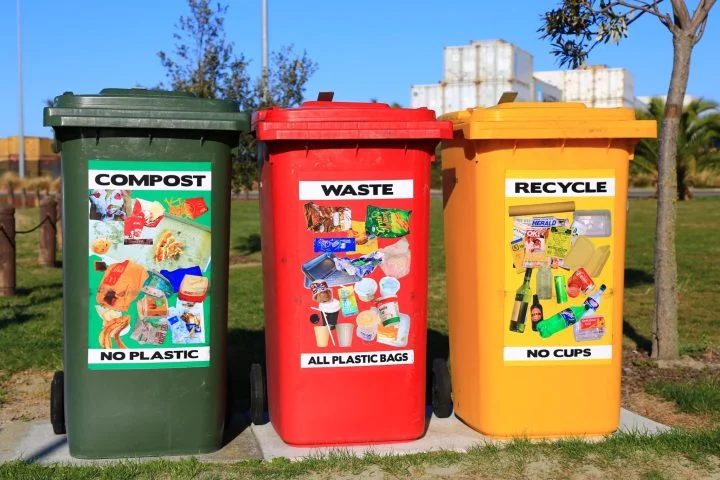
Recently, many sports events have adopted zero-waste goals with the intent of ensuring that no waste ends up in landfills. The goal is to first reduce waste, then reuse as much as possible, and recycle anything that cannot be reused. Here’s what they are doing to achieve this:
Reusable containers: Fans are encouraged to use reusable water bottles, and vendors offer recyclable containers.
Composting food waste: Organic waste is composted, reducing landfill contributions.
Sustainable packaging: Biodegradable or recyclable packaging is increasingly common.
These activities not only reduce waste but also send out a very important message on waste and environmental consciousness, thus urging the fans as well as the event organizers to make an effort toward waste minimization.
Sustainable Transportation for Fans
Transportation is, without a doubt, one of the most damaging aspects of major sports events. Given that fans come from different parts of the world, the whole process of getting them to and from the venue is hectic. Still, many sporting organizations have started adopting more environmentally friendly ways of transportation.
One of the core policies is enhancing public transport systems in the vicinity of sports venues. This contributes to minimizing the share of private cars in traffic, thus decreasing emission levels as well as traffic jams. A number of the venues are also adopting systems to promote carpooling and fans who use public transport.
Furthermore, some of them are promoting electric vehicles by offering EV charging stations around the site. This helps to reduce the carbon footprint of the event and encourages the fans to change their transportation for a more eco-friendly alternative in their daily lives.
Green Energy and Renewable Resources
Green energy is one of the most important keys to the sustainability of sports events. As of today, many stadiums and arenas all around the world have started using green energy sources in order to run their operations, thus decreasing the dependency on fossil fuels. The most common green energy used in these places is solar, wind, and hydroelectric power. Let’s see what volumes of green energy the leading countries produce:
Country
Green Energy Source
Energy Capacity
USA
Solar Power
20,000 MW
Germany
Wind Power
60,000 MW
China
Hydroelectric Power
350,000 MW
Spain
Solar & Wind Power
40,000 MW
These renewable energy sources not only energize events but also cut down on carbon emissions, helping the sporting world to fit global requirements for sustainability.
Reducing Carbon Footprints in Major Tournaments
Carbon management in high-level competitions has been targeting energy-efficient solutions and sustainable practices in usage. Such measures include:
LED lighting: LED bulbs are a good replacement for electrical bulbs in stadiums since they consume less electricity.
Local sourcing: To avoid emissions during transportation, all the materials and food are brought from nearby places.
Eco-friendly catering: There are providers that prepare and serve highly sustainable, locally grown, and produced food items.
Such measures help to cut emissions, but they also serve as a beacon to industries across the globe. Owners of sports organizations are demonstrating that through the adoption of sustainable practices, even the world’s largest sporting events do not have to adversely affect the ecosystem.
Recycling and Waste Management Initiatives
The effective management of waste is one of the major concerns in the organization of both the summer and the Winter Olympics and other sporting events. Many of the high-level tournaments are currently focused on the introduction of comprehensive recycling measures as a way of dealing with waste. In some cases, throughout the event, such stations are located in busy parts of a site so that attendees can remember to use them. They also receive support from organizers with waste management companies that strive to keep as much waste out of landfills as possible by recycling or composting it.
Various events are now moving toward the utilization of digital tickets with the aim to cut down the use of paper tickets, and the sale of souvenirs has been turning toward the sale of eco-friendly materials in the recent past. These small sacrifices on the side of sports fans go a long way in mitigating the negative environmental impacts associated with sports events and promoting a sense of sustainability in the audiences.
For those interested in the role of social media in promoting sustainability in sports, be sure to follow Melbet’s official Facebook account. This platform often shares insights into the industry’s green initiatives and the company’s own efforts to promote sustainability through its services. By staying connected through such accounts, fans and participants alike can learn about the ongoing changes that help shape a more sustainable sporting future.
To raise awareness of environmental matters, fans themselves started to look for more environmentally friendly items, and such changes have had a profound effect on the way sports merchandise is manufactured and marketed. Here are some examples:
Recycled jerseys: Several teams have jerseys for sale made from recycled polyester, which helps with the reduction of virgin plastic production.
Eco-friendly fan gear: The increasing availability of fan hats, scarves, and other accessories made from organic cotton or bamboo.
Recyclables: Fans can purchase reusable cups, water bottles, tote bags, etc., which are all garnering consumer interest and propagating encouragement for the fans to make better choices.
Such items do not only help to reduce unnecessary waste but also take a step toward sustainable living. Sports franchises should introduce more environmentally friendly products to attract consumers and motivate them enough that their love for the game extends even after leaving the stadium.
The Future of the World of Sports: Keeping it Eco-Friendly
The prospects of green sports events are encouraging and exciting as they have many possibilities. Picture this: Solar and wind energy-fueled stadiums, eco-friendly ways for fans to travel, and nearly waste-free events. As environmental issues become more prominent, the sporting industry can easily become a global leader and reach out and inspire thousands of sports fans. Every match and every event will no longer revolve just around individual sports but around the love for Mother Nature as well. The green sports movement has just begun — and the best is yet to come!














Leave a Reply