Kickoff is no longer an unchanging occurrence —it’s a decision. Fans now choose when, how, and what to view. Traditional television programming has been replaced by flexible, customizable streaming options. It’s possible to pause, rewind, or delay viewing of a Champions League match for hours after the kick-off without diminishing the significance of the action. The results show us that this new approach to viewing has dramatically altered viewer habits. Fans are no longer passive; they’re creating their own experiences. Attention follows convenience. To grasp today’s fan culture, begin with how fans are watching.”
The old schedule around football is no longer relevant. Fans don’t plan their day around kickoff times anymore because platforms like Amazon Prime and DAZN let them watch matches live, later, or in full replay without missing key moments. In this flexible digital environment, where people move between different types of content, you can also come across phrases like (Arabic:بهترین سایت شرط بندی فوتبال )as part of the wider online space linked to football and user activity. Greater accessibility, especially across time zones, has completely changed how and when fans follow the game.
Delayed viewing has also become common practice worldwide. Fans are prioritizing convenience over immediacy and instead opting for condensed replays or entire recordings of a match. Viewing decisions are no longer made by the broadcaster but by the user. As such, leagues are structuring their content distribution differently due to less dependence on established scheduling models.
Multi-device access increases total viewing time
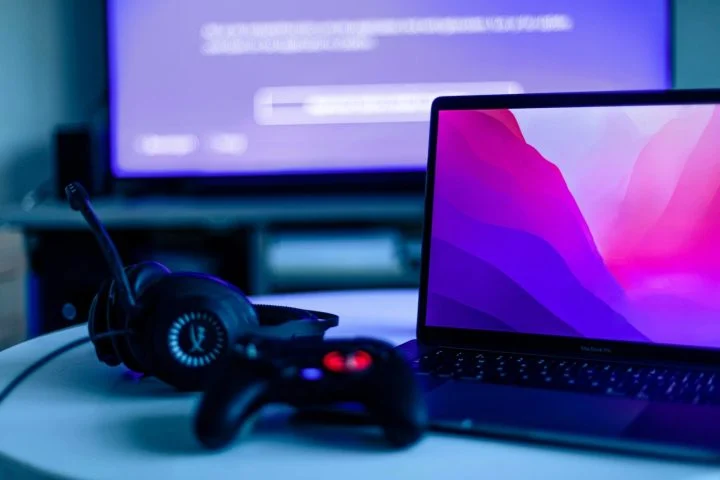
Viewing is no longer limited to a single screen. Throughout the course of a day, fans are switching between various devices to view content in differing formats and lengths.
Some of the primary ways fans interact with content include:
Live viewing of soccer matches on television while accessing stat-tracking information via mobile applications.
Accessing highlights via mobile phone applications during commutes.
Use of tablet computers for prolonged periods of time to review and analyze content.
Simultaneous viewing of multiple soccer games on various screens.
Increased total engagement is a result of increased flexibility. Due to accessibility being available continuously, fans are engaging with more content. The fan experience shifts from event-based to continuous.
Increased engagement also benefits streaming services. What were initially intended to be short engagements turn into ongoing attention loops.
Personalization tools reshape content consumption
No two viewers are receiving the same feed. Streaming services monitor viewer behavior, collect preference data, and utilize these metrics to develop unique pathways through which each viewer can access content. In other words, a fan who consumes Premier League highlights will receive recommendations that differ from those received by a fan who is solely interested in NBA recaps. By tailoring the content consumed by each individual viewer, streaming services increase the amount of time spent engaged by each user and reduce the likelihood of content fatigue.
A strategic advantage exists here. Streaming services utilize data to present viewers with relevant matches, clips, and analysis in real-time. Rather than having to search for specific pieces of content, users are provided with curated content immediately upon request. Reduced friction (searching) combined with increased consumption frequency are the ultimate results. Through time, personalized content turns passive viewers into active users, thereby increasing engagement levels and fostering brand loyalty among users.
Speed now defines how people watch sports. In the past, fans had to wait for long replays to catch the key moments of a game. Today, algorithms quickly pick out goals, assists, and major highlights, delivering them straight to the viewer. In this fast-moving digital flow, where people scroll through updates and clips, pages like MelBet Instagram Iran also become part of the wider content stream fans come across while following matches online. This approach makes it much easier to stay updated without spending time watching the entire game.
As such, examples exist everywhere within every platform. Services such as YouTube and DAZN provide highlight packages shortly after the conclusion of key events. In fact, numerous instances exist in which the number of views generated by these highlight packages exceeds those obtained through live broadcasting. In reality, highlights serve as the main means by which many fans consume sporting content. All that remains is to summarize the game into its most pivotal moments and make them easily accessible at any point.
Constantly engaging with fans is no longer dependent on live coverage. Through customized notifications, fans remain involved in their favourite teams regardless of whether they are actually watching at the time of notification.
Examples of notification types include:
Instant video clips that notify fans of goals scored in real time.
Team lineups before kickoff.
Reminders of when games begin and at half-time.
Updates on fans’ favourite teams.
Fans receive updates throughout the day, incorporating sports into everyday life. Rather than determining when fans should engage with their team(s), users respond to notifications that prompt them to continue interacting. Ultimately, this fosters habitual interaction, resulting in greater utilization of platforms and a greater sense of attachment to their respective teams.
Short-form content changes attention spans
Attentive spans are decreasing and companies are adapting quickly. Younger generations raised primarily on TikTok and Reels tend to no longer view full-length games frequently. Instead, fans consume short-form content including condensed highlights, key moments, and summaries that capture the essence of a game in less than 1-minute. Changes occur not only in terms of how leagues package content, but also in how broadcasters assess success. This shift was expected.
Content format
Average duration
Viewer behavior
Full match
90+ minutes
Selective viewing
Extended highlights
5–10 minutes
High retention
Short clips
15–60 seconds
Maximum reach and sharing
Short-form is not replacing the game—it is redefining entry points. Fans often start with clips and move deeper only if interest holds.
Subscription models redefine how fans spend on sport
The traditional model of cable bundling isn’t serving consumers anymore. Fans prefer to select specific subscriptions to certain leagues or services instead of traditional cable. While this provides fans with the freedom to select their subscriptions, this may cause more fragmentation. A specific fan of the Premier League may pay for a wholly different service than a fan of UFC.
Users have more control over their spending, so platforms have to compete for subscribers with more than just the rights to the matches. Exclusive deals are more important than ever, as subscribers become loyal to the service that provides the competitive matches, rather than the broadcasters.
Global access expands fan bases across regions
Stadiums aren’t a limitation to fans anymore. Fans all over the globe can watch local leagues and games, and streaming leagues can reach fans in previously untapped areas. They have even been able to reach fans in entirely different regions, as seen by the NBA in China.
International fans are a brand-new way of earning more revenue that can be seen even in the way matches and services are distributed to further reach as many fans as possible. Fans in entirely different areas can be exposed to the same game.
Data tracking influences future content strategies
More control over their viewing experience is more of a reason to stay and watch more. Streaming services record all of their viewing habits and suggest new services and new completions to watch for even just more of their viewing time. More of the enjoyment and viewing experience focuses solely on the fans and their behavior.










Leave a Reply